“Co-design is about being a good human and doing humanly things that are relational. It's about redistribution of power — giving power back to those that deserve it because it's their right.”
To Be a Good Human: Co-Design, Two-Way Learning, and Redistributing Power
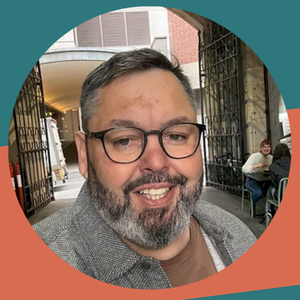
Jessie Robinson · Founder, Mawang Consulting
About this episode
In this episode, Matt and Tenille speak with Jessie Robinson, a proud Wiradjuri man and founder of Mawang Consulting, about what it truly means to do co-design well. Jessie shares insights on why co-design is fundamentally about power redistribution, not process, and how First Nations ways of being and doing can guide us toward more relational, community-led change. He challenges us to move beyond performative engagement and consider when stepping back might be more powerful than stepping in.
Key takeaways
Co-design is about power, not process
At its core, co-design is about redistributing power to those whose lives are directly affected by decisions — it's a human right, not a methodology to follow.
Sometimes stepping back is the answer
Communities often have the solutions and capacity already; sometimes the most impactful thing is to get out of the way and resource what already exists rather than designing something new.
Being a good human comes first
Effective practice begins with valuing people for who they are and what they bring, leading with humility, and sitting in discomfort rather than rushing to fix.
Two-way learning rejects single expertise
Real systemic change requires mutual transformation where no one side holds all the answers, moving away from hierarchical, colonial knowledge systems.
Relationships before discovery
Before any design process begins, we need to sit and share space with community — meaningful connection is the foundation, not an optional extra.
Topics covered
- Co-design
- First Nations perspectives
- Community-led change
- Systems change
- Lived experience
- Two-way learning
- Self-determination