
“It all comes down to trust. If you don't spend the time building trust with people, you will not have a successful place-based approach.”
Place-Based Approaches
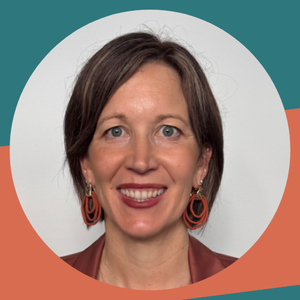
Tanya Rong · Chair, Latrobe Health Assembly
About this episode
In this episode, Matt speaks with Tanya Rong — Chair of the Latrobe Health Assembly, Australia's first community-led health assembly, and a PhD candidate at Monash University researching place-based approaches to health and wellbeing. Drawing on more than a decade leading the Assembly — born out of the Hazelwood mine fire and recently reborn as a community-owned charity after being defunded — Tanya unpacks what makes work genuinely place-based: honouring local knowledge, building trust before delivery, and getting the ‘preparation’ right so that participation and impact can follow. It's a candid, hopeful conversation about the social determinants of health, sharing power with community, the realities of short-term funding, and why she'd rather invest in prevention than build bigger hospitals. It makes a natural companion to our earlier episode, Governance not Geography with Luke Craven — whose national place-based network, PLACE, Tanya points to as a go-to in the field.
Key takeaways
Trust comes before everything else
Place-based work lives or dies on relationships. No amount of funding or good intentions will land if you haven't first spent the time building genuine trust with community — and that trust is exactly what's lost when 'cookie-cutter' programs are dropped in from outside.
Get the ingredients right first
Like baking a cake, place-based work needs the right ingredients before you start. The 'preparation' phase — mapping the system, building relationships and bringing in the right voices — is the part funders most often won't pay for, and skipping it sets the whole thing up to flop.
Invest in participation, don't just consult
Communities are tired of tokenistic engagement where the decisions are already made before they walk in the room. Genuine place-based work builds people’s confidence and capability to take part — and, crucially, follows through on what it hears.
Be honest about what's on the table
Sharing power doesn't mean everything is up for grabs. Being transparent about what community can influence and what's fixed — governance, regulation, safety — is itself a powerful way to build trust, as Tanya found designing the lived-experience-led mental health cafe, The WES.
Hold the line through the funding cycles
Funding comes and goes, but relationships have to be maintained. Rather than disappearing when a contract ends, place-based organisations keep showing up and holding trust in community — the 'invisible work' that rarely gets funded but is the real essence of the practice.
Topics covered
- Place-based approaches
- Community engagement
- Social determinants of health
- Trust & relationships
- Systems change
- Funding & commissioning
- Rural & regional Australia