“We talk about it as caring for data so data can care for Country and community. It's collecting the right information the right way, protecting that, then using that to make the right decisions.”
Indigenous Data Sovereignty
Skye Trudgett · CEO, Kowa | Associate Lecturer, UNSW
About this episode
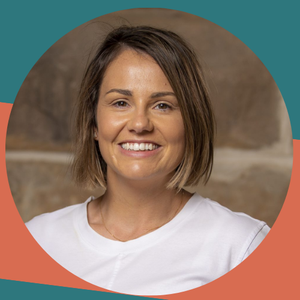
In this episode, Tenille speaks with Dr. Skye Trudgett, a proud First Nations woman and CEO of Kowa, about putting Indigenous data sovereignty into practice. Skye shares her journey from aspiring sleep scientist to leading national work in evaluation, research, and community-led data governance. This conversation demystifies what Indigenous data sovereignty really means, unpacks common misconceptions, and explores the small but powerful changes that can shift systems.
Key takeaways
Caring for data so data can care for Country
Indigenous data sovereignty means collecting the right information the right way, protecting it, and using it to make well-informed decisions that serve community.
It's not just about sharing data back
A common misconception is that Indigenous data sovereignty simply means returning data to communities, but it's much more: it's about communities having their own evidence to advocate for change.
Start with relationships, not frameworks
While academic frameworks provide useful starting points, the real work happens through building local relationships and starting conversations with existing community governance structures.
Simple changes can shift systems overnight
Engage local Aboriginal people at equitable pay rates, use community-controlled data platforms, ensure data never leaves community control, and pay for the use of community data as an economic asset.
The 'U' in UMEL is half the work
'Understanding' involves building relationships, trust, and genuinely getting ready before jumping into measurement and evaluation activities.
Topics covered
- Indigenous Data Sovereignty
- First Nations Evaluation
- Data Governance
- Community-Led Research
- UMEL
- Place-Based Practice
- Systems Change