
“We cannot eliminate risk, but what we can do is put processes in place to mitigate risk. And these processes need to be co-produced and co-designed with young people.”
From Authority to Authenticity: Young Voices in Suicide Prevention
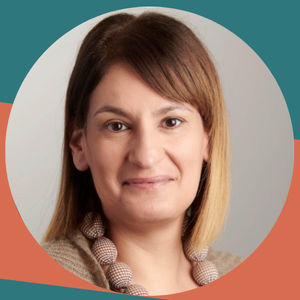
Maria Michail · Associate Professor and Deputy Director of Institute of Mental Health, University of Birmingham
About this episode
What happens when we stop treating suicide prevention as an individual issue and start seeing it as a system? In this episode, Dr Maria Michail shares her pioneering work bridging psychology, systems science, and participatory research. Together we explore what it means to move "from authority to authenticity" and why young people's voices are essential to meaningful research in this space.
Key takeaways
Risk can be mitigated, not eliminated
We cannot eliminate risk when involving young people in sensitive research, but we can put ethically sound processes in place to mitigate it. These processes should be co-designed with young people themselves.
Young people are not a homogeneous group
Different communities of young people face unique vulnerabilities. LGBTQ+ youth, for example, face increased risk not because of their identity, but because of the stigma and discrimination they experience.
Lived experience reveals ground truth
Protocols tell us what should happen, but lived experience reveals what actually happens. This is why involving young people with lived experience is invaluable for building models that reflect reality.
From authority to authenticity
Researchers need to be ready to be challenged by young people and to genuinely share power. Only then can we shift from authority to authenticity in how we approach participatory research.
Data needs stories
Data and numbers can tell you certain things, but it's the stories behind that data that add depth and context. Socially robust models need both quantitative data and experiential knowledge.
Topics covered
- Systems thinking
- Suicide prevention
- Youth mental health
- Participatory research
- Lived experience
- Co-production
- Systems dynamics modelling